A Silent Crisis Hidden Beneath the Ground
For generations, the people of Sahebganj in Jharkhand lived with a problem they could neither see nor fully understand. The water flowing from hand pumps and borewells often appeared muddy, carrying a strange colour that villagers had accepted as normal. Children drank the same water every day before attending classes, while teachers watched recurring complaints of stomach discomfort and poor health without knowing the real cause. What looked like ordinary groundwater was silently carrying arsenic, a naturally occurring toxic element that had seeped into the region’s aquifers over decades. Because arsenic contamination rarely causes immediate symptoms, its long-term impact often goes unnoticed until serious health complications begin to emerge. This invisible public health challenge had become a part of everyday life in Sahebganj, particularly in schools where thousands of children depended on groundwater for drinking purposes.
Why Sahebganj Faces an Arsenic Challenge
Sahebganj occupies a unique geographical position as the only district in Jharkhand through which the River Ganga flows. While the river has shaped the region’s ecology and economy, geological conditions beneath the surface have also contributed to arsenic contamination in groundwater. Similar problems have been documented in several parts of eastern India, particularly in areas influenced by the Ganga basin. Scientific studies have shown that naturally occurring arsenic can dissolve into groundwater under specific geological and chemical conditions. Since the contamination cannot be detected by taste, smell, or colour alone, communities often continue consuming unsafe water for years without realizing the danger. Long-term exposure to arsenic has been associated with skin disorders, cardiovascular diseases, neurological complications, and an increased risk of certain cancers. For school-going children, access to clean drinking water is not merely a matter of comfort but a fundamental requirement for healthy growth and cognitive development.
BIT Mesra Turns Engineering into a Lifeline
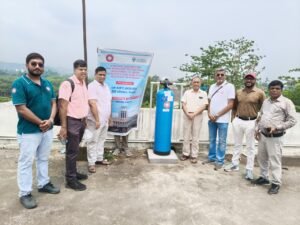
Recognizing that technology should directly benefit society, Birla Institute of Technology (BIT), Mesra launched an intervention that has transformed the lives of thousands of students. Working in collaboration with the Asha & Sajjan Agarwal Foundation, the institute installed advanced five-stage arsenic removal filtration systems in nine government schools across Sahebganj. These schools included Government Middle School Fudkipur, Swami Vivekanand High School Sridhar, UMS Sarpanch Tola, M.S. Kishan Prasad, UPG Government Middle School Samda, UPG Primary School Shantinagar Ghoghi, UHS Sriramchowki, PM SHRI Nagarpalika Kanya School, and a CM School of Excellence. Together, these institutions educate more than 3,000 students who now have uninterrupted access to safe and purified drinking water. The project represents far more than the installation of water filters; it demonstrates how engineering knowledge can solve real-life public health problems at the grassroots level.
A Journey That Went Beyond the Laboratory
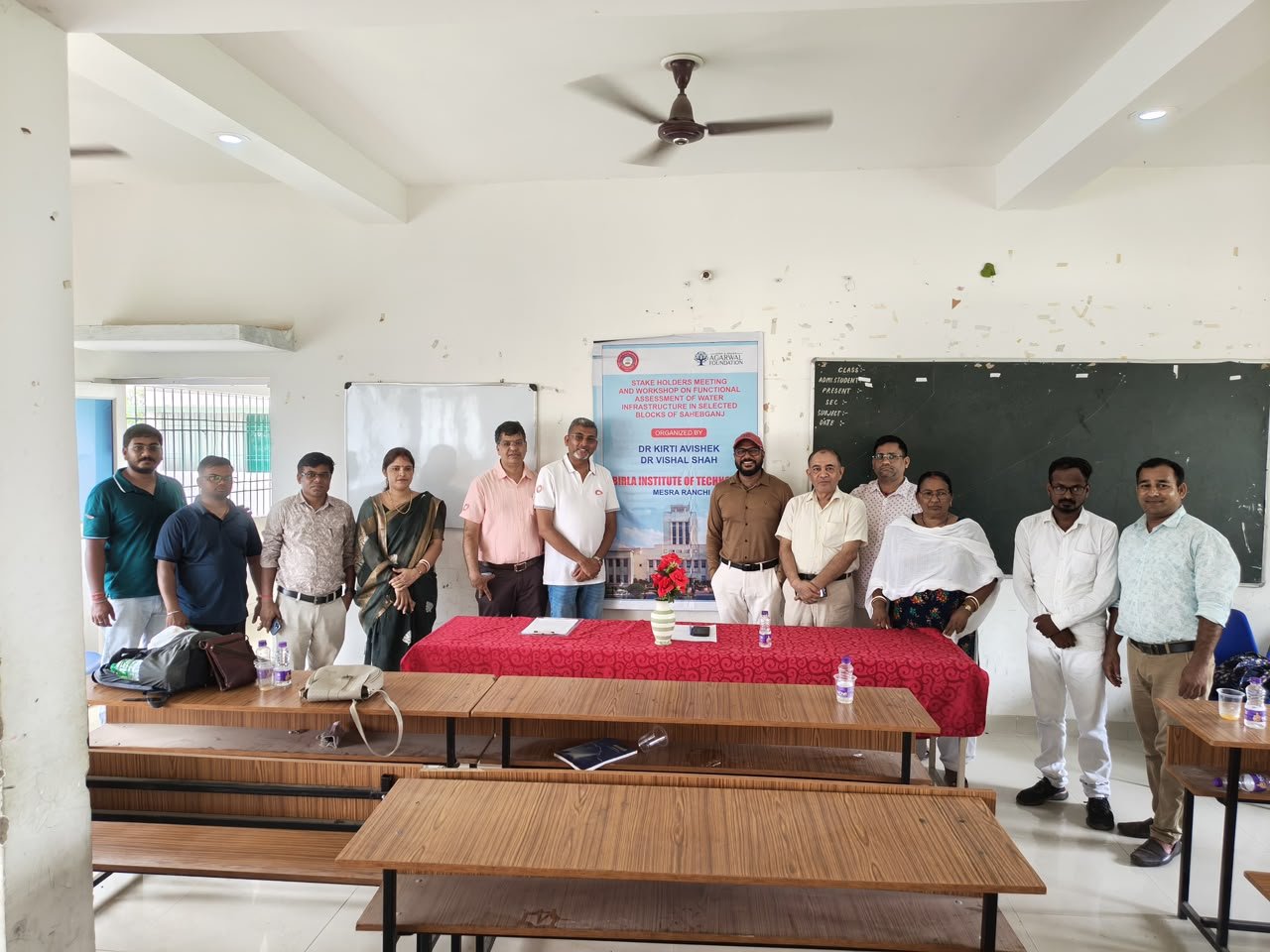
This initiative was not conceived from behind office desks or within research laboratories alone. It involved direct engagement with communities facing the crisis every day. Dr. Kirti Avishek, Associate Dean of Infrastructure and Planning at BIT Mesra, travelled nearly ten hours by road alongside Dr. Vishal H. Shah from the Department of Electronics and Communication Engineering and research scholar Akash to reach some of the most remote schools in Sahebganj. Their objective was not only to install filtration systems but also to understand local conditions, assess the challenges firsthand, and ensure that the technology functioned effectively under rural conditions. Such field-based implementation highlights an important principle of engineering education—that innovation achieves its highest value when it improves people’s lives.
From Murky Water to Safe Drinking Water
The transformation was immediately visible to teachers and students who had witnessed the problem for years. Anita Kumari, a teacher at UHS Sriramchowki, recalled how the school’s drinking water once remained visibly turbid, forcing children to consume water that they often hesitated to drink. After the installation of the filtration system, the quality of water improved dramatically. The muddy appearance disappeared, and clean drinking water became available throughout the school campus. Beyond visual improvement, the filtration systems underwent on-site testing to verify that arsenic removal was functioning effectively. Scientific validation ensured that the intervention was not merely cosmetic but capable of delivering genuine health protection.
Science Meets Public Health
At PM SHRI Nagarpalika Kanya School, science teacher Aniket Kumar personally examined the post-installation water quality. Having observed the health impacts of arsenic in nearby villages for years, he understood the importance of reliable purification systems. His assessment confirmed that the filtration technology had significantly improved water quality. While technical testing focuses on arsenic removal rather than carbonate levels alone, the broader outcome was clear—students and teachers could finally consume water without the uncertainty that had previously surrounded every glass they drank. Such improvements may appear simple, yet they represent one of the most significant investments in preventive healthcare.
Safe Water is the Foundation of Better Education
Education cannot flourish where basic health needs remain unmet. Children who frequently suffer from waterborne illnesses or exposure to toxic contaminants often experience reduced classroom attendance, lower concentration levels, and poorer academic performance. By ensuring continuous access to safe drinking water, BIT Mesra has strengthened not only public health but also the educational environment within these schools. Students can now focus on learning without worrying about the quality of the water they consume every day. Teachers, too, benefit from healthier workplaces where one of the most basic necessities has finally become reliable.
Engineering with Social Responsibility
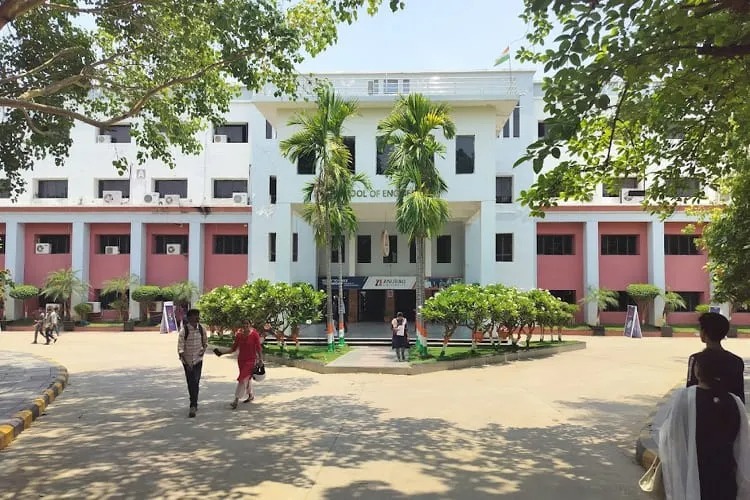
The Sahebganj initiative reflects the broader philosophy that has defined BIT Mesra since its establishment in 1955. While the institution has earned recognition for excellence in engineering, technology, and scientific research, projects like this illustrate how academic expertise can address pressing societal challenges. The collaboration with the Asha & Sajjan Agarwal Foundation, founded by a BIT Mesra alumnus, also demonstrates the power of alumni engagement in driving sustainable development. Rather than limiting innovation to classrooms and laboratories, the institute has extended its technical capabilities to improve lives in underserved communities. Such initiatives reinforce the role of higher educational institutions as catalysts for social transformation.
A Model for Rural Water Security Across India
Arsenic contamination is not confined to Jharkhand alone. Several districts across West Bengal, Bihar, Uttar Pradesh, Assam, and parts of other states continue to struggle with groundwater contamination. The successful implementation of arsenic removal technology in Sahebganj provides a practical model that can be replicated in other vulnerable regions. With proper scientific assessment, community participation, and institutional collaboration, thousands more schools across India could gain access to safe drinking water. As climate change and groundwater depletion place increasing pressure on freshwater resources, such localized technological interventions will become even more important in safeguarding public health.
The Real Success Lies Beyond the Filters
The installation of filtration systems is only one part of this story. The true achievement lies in restoring confidence among children who no longer hesitate before drinking water, teachers who no longer worry about invisible health risks, and parents who know their children are safer at school. Clean drinking water is one of the most fundamental human rights, yet millions still struggle to access it. By transforming scientific knowledge into meaningful community action, BIT Mesra has shown that educational institutions can become powerful agents of public welfare. For more than 3,000 students in Sahebganj, the future now begins with something as simple—and as essential—as a glass of safe drinking water.
Engineering That Creates Lasting Change
BIT Mesra’s intervention in Sahebganj stands as a remarkable example of how engineering, research, and community partnerships can solve real-world challenges. Rather than treating arsenic contamination as merely an environmental issue, the institute addressed it as a matter of children’s health, educational equity, and human dignity. As India moves towards achieving the Sustainable Development Goals, especially universal access to clean water and good health, initiatives like this demonstrate that meaningful change begins when technology reaches the people who need it most. The story of Sahebganj is no longer one of contaminated groundwater—it is now a story of innovation, compassion, and hope.